Haunted Sites
Summoning the spirits…
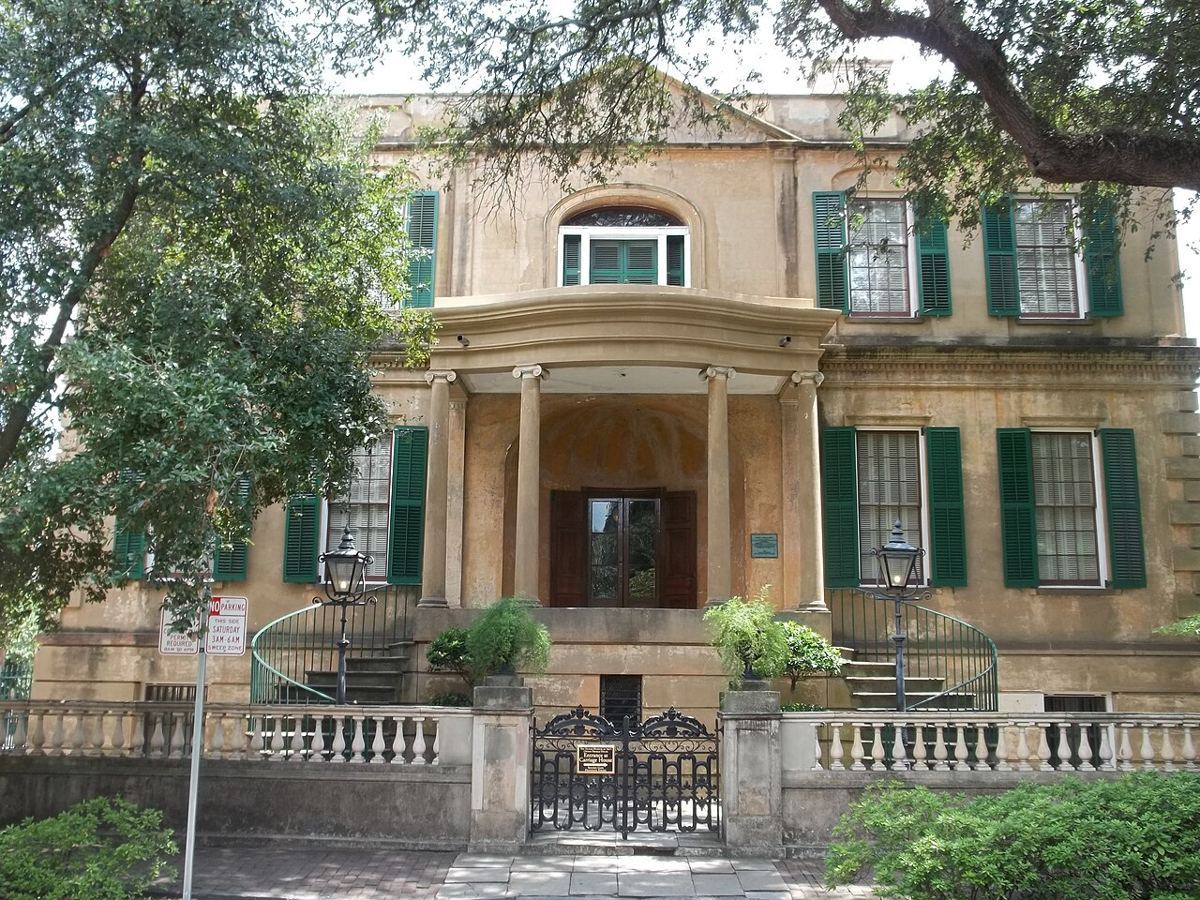
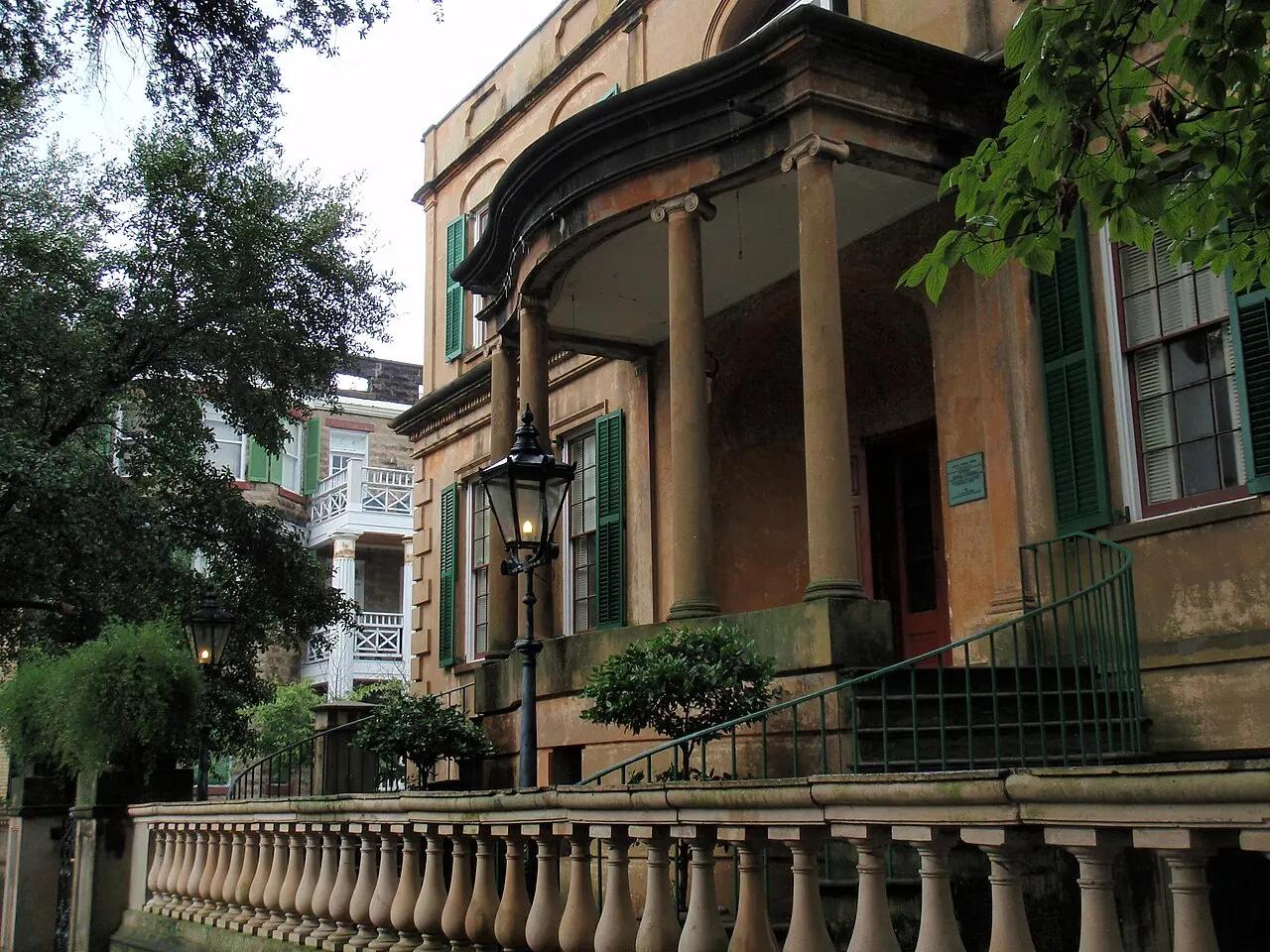
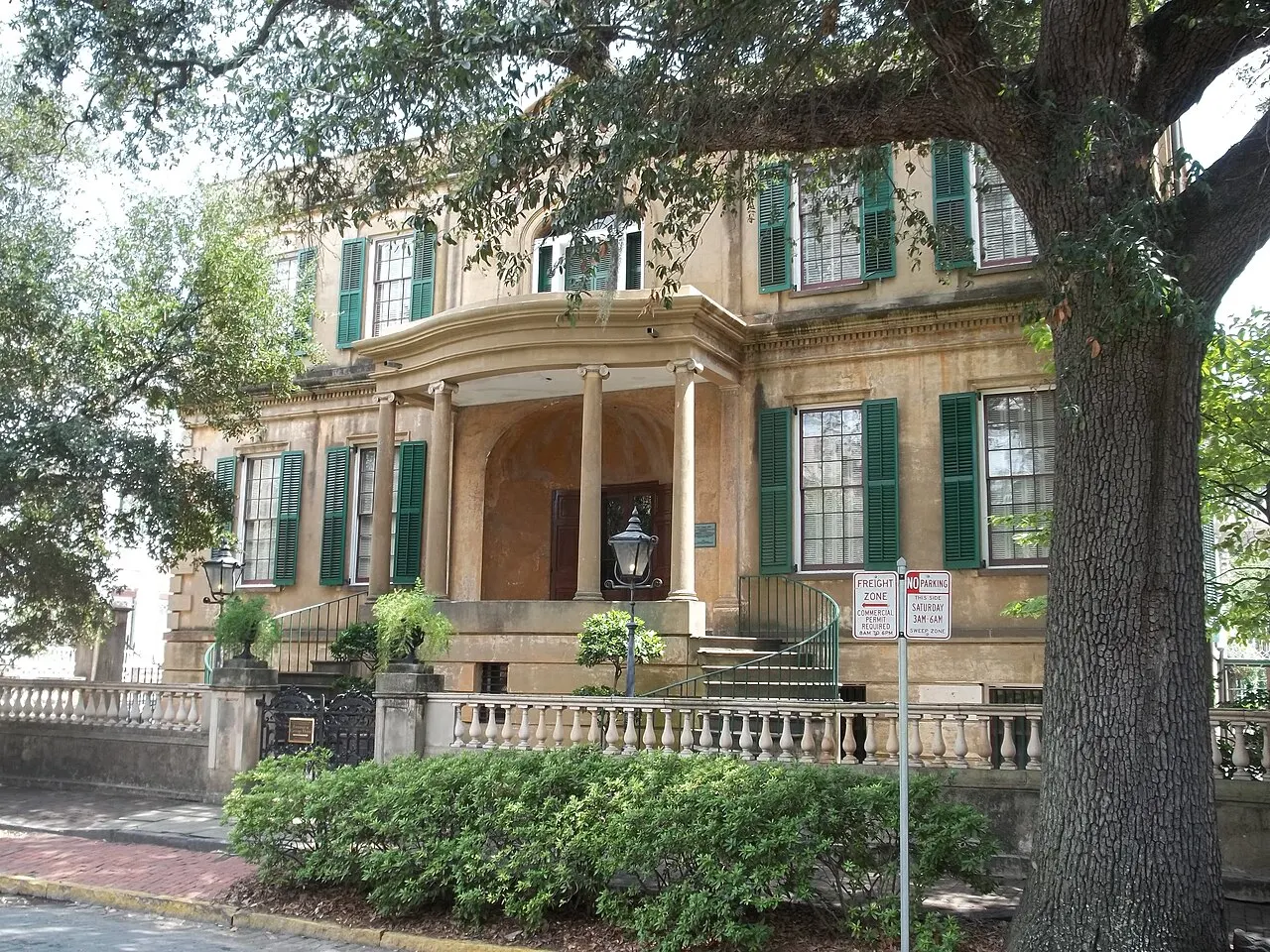
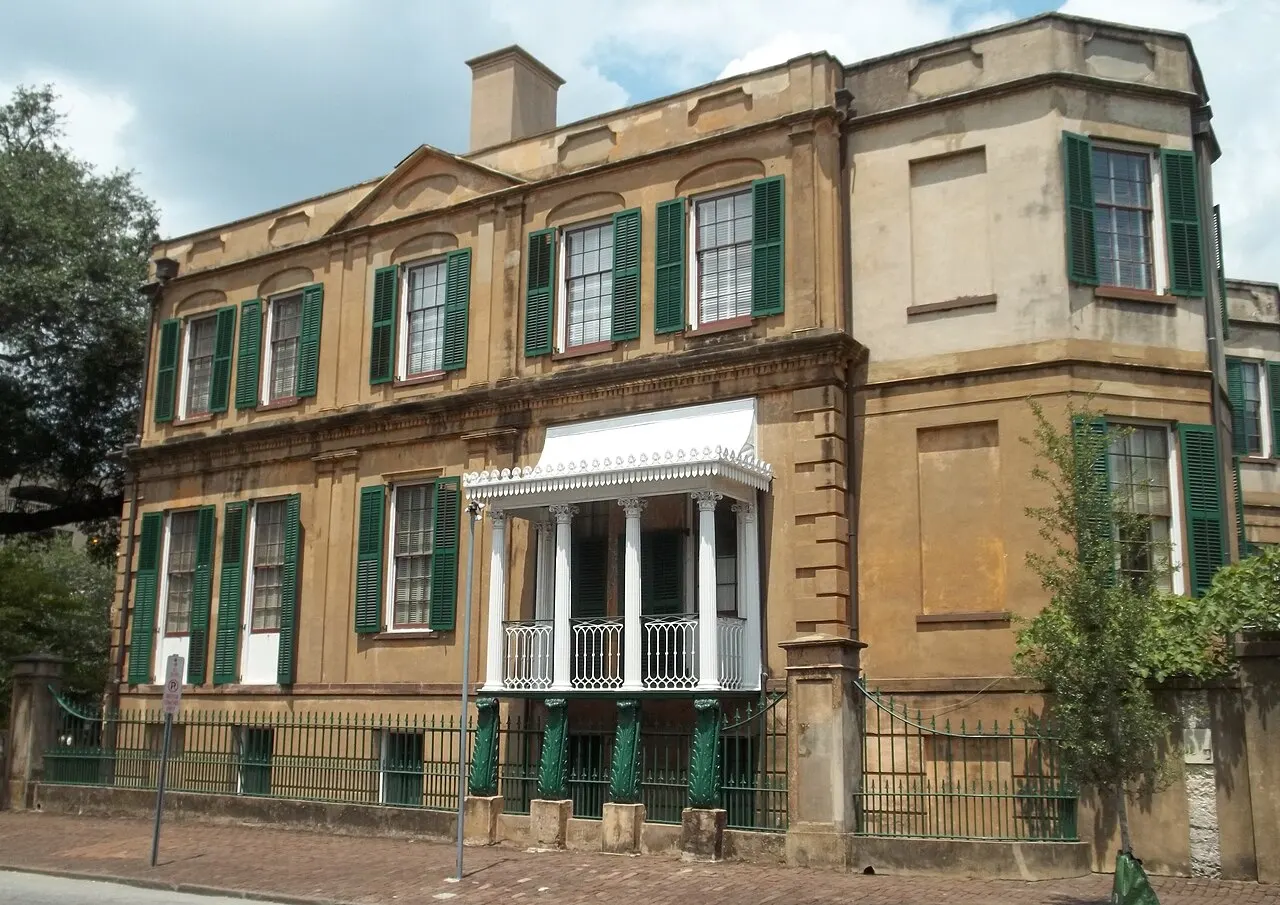
Photo: Ebyabe · CC BY-SA 3.0 · via Wikimedia Commons
Owens-Thomas House
A William Jay-designed 1819 mansion, now a Telfair museum with restored slave quarters. Tour operators call it one of Savannah's most actively haunted houses, tied to its many owners and long history.
- Address
- 124 Abercorn St, Savannah, GA 31401
- Hours
- MonClosed
- Tue–Sun10 AM – 5 PM
Closed Mondays. Guided tours every 15 minutes, last tour 4 PM.
Hours may change, check before you go. Source: telfair.org, checked Oct 2026.
- Admission
- Included in the Telfair 3-site pass, $30 adults (2026)
- Access
- museum tours (Telfair Museums, daytime)
- Website
- telfair.org
The real history
About the place
The Owens-Thomas House, at 124 Abercorn Street on Oglethorpe Square, was begun in 1816 and finished in 1819. It was designed by the young English architect William Jay of Bath, who drew the plans while still in England and sent elevations ahead to local builders. His letters say he wanted the house to fit in with Bath, and it is built partly of Bath stone. It is considered North America's finest example of English Regency architecture and became a National Historic Landmark in 1976. It was first called the Richardson House, after its first owner, the banker and cotton merchant Richard Richardson, whose wife was related to Jay by marriage.
Richardson later lost most of his fortune, and the house passed to the Bank of the United States. It was later run as a lodging house by Mary Maxwell. In 1825 the Marquis de Lafayette stayed there and addressed the people of Savannah from its cast-iron side veranda, with its acanthus-scroll supports. In 1830 the attorney and politician George Welshman Owens, a former mayor who later served in Congress, bought it for $10,000. His granddaughter Margaret Thomas left it to the Telfair Academy in 1951.
A 1990s renovation of the carriage house uncovered one of the oldest and best-preserved urban slave quarters in the American South. It was home to the enslaved people who worked as the household's cook, nanny and butler. Its ceiling is the largest surviving expanse of 'haint blue' paint in North America, a color used in Gullah tradition to ward off spirits. Today Telfair Museums runs the house as a museum open to the public. Tours center on both the family and the enslaved people who lived and worked there.
Local legend
The Ghost Story
Told here as local lore, the way guides, books and visitors tell it. These are legends, not established fact.
Of all William Jay's Savannah buildings, the Owens-Thomas House has the most persistent ghost stories, and guides say many of them come from staff. The most often described figure is a well-built man with jet-black hair, dressed in the fashion of the 1830s. He is said to stand in the front parlor watching visitors move through the house, then turn and walk through a wall.
The dining room has its own tale. As Ghost City Tours tells it, a former maid checked the room one night, locked up and went home. When she came back the next morning, one of the tables was in disarray and a chair was pulled out, as if someone had just finished a meal. Staff have described chairs moved from the table by no visible hand, footsteps and noises from empty rooms, and shadowy figures on the upper floors.
Best known of all is the Lady in Gray, believed by storytellers to be Margaret Thomas, the last of the family to live here and the woman who made sure her home would become a museum. She has been described walking in the garden at night in a large hat and a gray shawl. Rumor holds that the bed she died in is still in the house.
Before the house became a museum, Miss Thomas rented out the upstairs. In a story from that time, two men visiting the tenant saw a ghostly gentleman in 'a riding coat and a shirt with ruffles' stand in a doorway and then pass through the wall. Their shaken friend admitted he was afraid to go downstairs at night, though he had never seen the man himself. Jim Williams, the antiques dealer of Midnight in the Garden of Good and Evil, is also said to have told of the man in the riding coat.
History highlights
- Architect: William Jay
- National Historic Landmark
- Listed on the National Register of Historic Places
What to see
- Slave quarters
Named in the Wikipedia article cited below.
Tips
- Hours and admission change: check the official website before you go.
- Featured on 4 ghost tours; see the links below.